
Shaping a Health Literate Future: Alison Durrans, Health Literacy Champion
Improving health literacy is a vital part of tackling inequalities and ensuring people can access, understand and use health information to make informed decisions. One colleague who has been leading the way on this agenda is Alison Durrans, Healthcare Inequalities Manager at NHS Shropshire, Telford & Wrekin, whose work is helping our ICB move closer to becoming a health literate organisation.
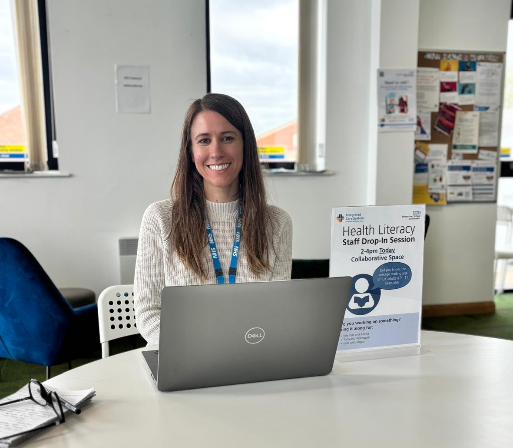
Alison Durrans, Healthcare Inequalities Manager, NHS Shropshire, Telford & Wrekin
Alison has been instrumental in raising the profile and understanding of health literacy across the organisation and the wider system. Her expertise was recently recognised through her role as an expert panel member in the Delphi Panel Study “Validating organisational health literacy standards for multi-sector UK services – a mixed methods study using Delphi Consensus”. The study was commissioned by NHS North East and North Cumbria ICB and conducted by the University of Sunderland, bringing together national expertise to shape how organisations can better embed health literacy into everyday practice.
Closer to home, Alison’s impact is clear through the practical and collaborative work she has led. She has delivered health literacy awareness sessions to colleagues, helping staff better understand what health literacy is, why it matters, and how small changes can make a big difference for patients, carers and communities. She has also engaged with Health Equality Ambassadors and service teams, opening up important conversations about how we communicate and how inclusive our services really are.
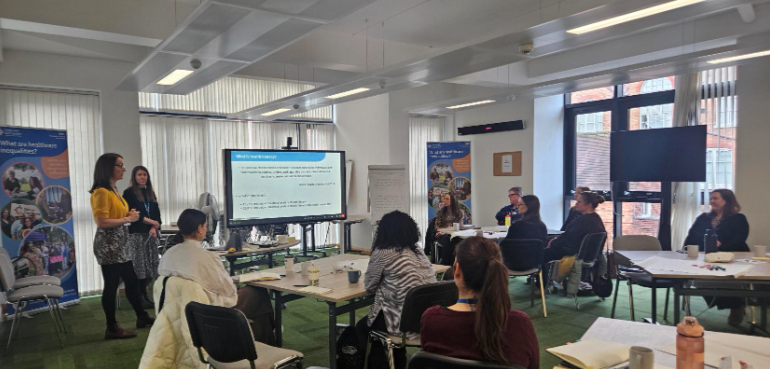
Alison Durrans (Healthcare Inequalities Manager, NHS Shropshire, Telford & Wrekin) and Louise Stevens (Librarian, Shrewsbury and Telford Hospital NHS Trust) leading a health literacy awareness workshop with local Health Equality Ambassadors
Working alongside system-wide partners, Alison has focused on turning awareness into action – supporting tangible improvements to health literacy across NHS services and with wider partners. This has included challenging traditional approaches, promoting plain language, and encouraging teams to build health literacy into service design rather than treating it as an add-on.
Listening to feedback from staff, Alison is also leading work to develop a Health Literacy Toolkit in partnership with the System-wide Health Literacy Network. Designed to be practical and accessible, the toolkit will bring together useful resources, guidance and examples in one place so colleagues can easily apply health literacy principles in their day-to-day roles.
Alison’s passion, expertise and collaborative approach continue to pave the way for meaningful change. Her work is not only supporting our ICB’s ambitions but is also contributing to national learning on how organisations can better meet the needs of the populations they serve.
Thank you, Alison, for your commitment to making health information clearer, fairer and more accessible for everyone.
To find out more about health literacy:
- Health Literacy E-Learning for Healthcare: This free e-learning module goes through why Health Literacy is Important, how to use Health Literacy techniques, and how simple language and pictures can improve communication.
- Dorset Health Inequalities Webinar - Health Literacy: This great video by Dr Mike Oliver from Health Literacy Matters is a good guide to Health Literacy.
- NHS England Health Literacy Toolkit has tools and techniques that can help you to start thinking about health literacy.
When we write:
- NHS Document Readability Tool: This handy tool checks the reading age of your text. It will also show you what might make your writing hard to read. We should try to write as close to an 11-year-old reading age as we can.
- Health Literacy Tools – Helping you put them into Practice: North-East and North Cumbria ICB Health Literacy Team talk about tools to help you write simply. To access sign up to the Health Literacy Community of Practice at NHS Futures.
When we speak:
- Teach back in Non-Clinical Settings – This free bite-size learning shows Chunk and Check and Teach Back in action. Chunk and Check and Teach Back are great techniques we can use when speaking to help someone understand.
