
Home » Diabetes » Family Planning » Preconceptional Care
Preconceptional Care
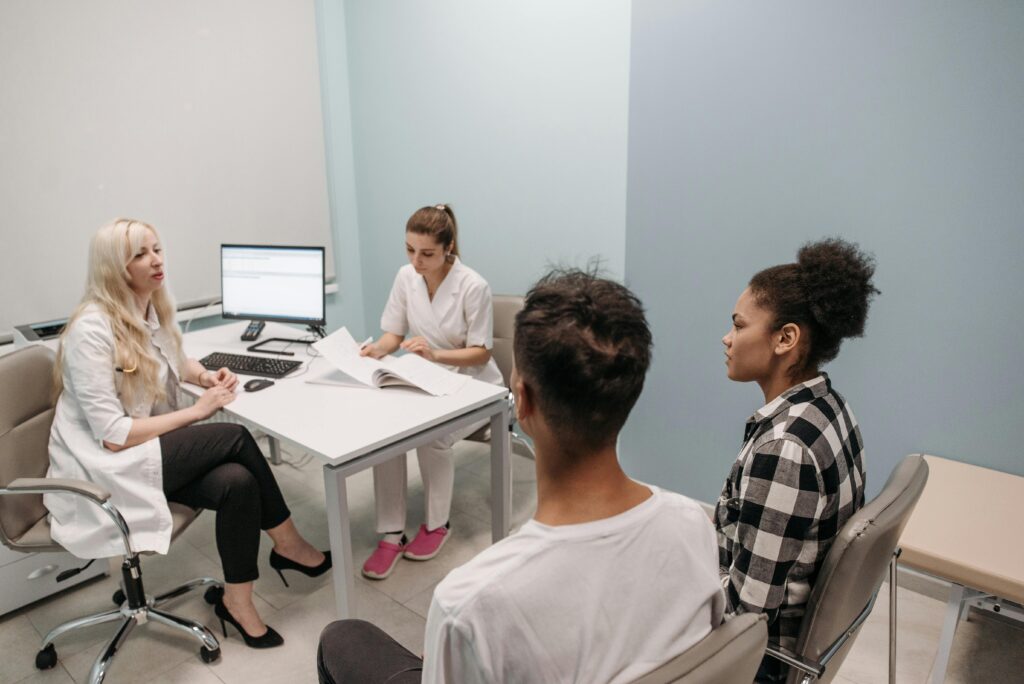 Planning and preparing for a pregnancy are important for those with pre-existing diabetes (Type 1 or Type 2) because poorly controlled blood sugar levels increase the risk of serious complications.
- For the baby - the greatest risks occur during the first eight weeks of pregnancy, when high blood glucose levels can increase the chances of miscarriage, stillbirth, and birth defects affecting the heart, brain, and spine.
- For the mother - diabetes can also increase the risk of maternal complications during pregnancy, including pre-eclampsia, premature birth, and worsening diabetes-related complications like retinopathy (eye problems) and nephropathy (kidney problems).
Blood Glucose Management
- Target HbA1c - a primary goal is to achieve a target HbA1c (average blood glucose over 2–3 months) of less than 48 mmol/mol (6.5%) without causing problematic hypoglycemia. If the HbA1c is above 86 mmol/mol (10%), healthcare providers will strongly advise against pregnancy due to the elevated risks.
- Regular monitoring - you will need to increase the frequency of your blood glucose monitoring. This includes checking fasting levels, and both pre- and post-meal levels.
- Insulin management - women with Type 1 diabetes planning a pregnancy should be offered a continuous glucose monitor (CGM) and ketone testing strips. Adjustments to insulin treatment will be managed by a specialist.
Medication Review
- Review all medicines - you must review every medicine you take with your healthcare team before getting pregnant. Some, diabetes medications, as well as those for other conditions like high blood pressure and cholesterol are not safe during pregnancy and will need to be changed or stopped.
- Pregnancy-safe options - insulin and metformin are generally considered safe for use during pregnancy, though other oral agents are typically discontinued.
Vitamins and Supplements
- High-dose folic acid - it is recommended those to take a high-dose (5mg) folic acid supplement daily, starting at least one month before conception and continuing until 12 weeks of pregnancy. This requires a prescription and helps reduce the risk of neural tube defects like spina bifida.
Eye Screening
- Eye and kidney checks - it is important to have your eyes (for retinopathy) and kidneys (for nephropathy) checked before stopping contraception. Eye screening is often repeated at 16–20 weeks and 28 weeks of pregnancy.
Lifestyle modifications
- Healthy diet - a balanced diet should emphasize fruits, vegetables, and whole grains.
- Physical activity - regular, moderate exercise, such as a 30-minute walk after meals, helps improve blood sugar control.
- Avoid alcohol and smoking - avoid alcohol and quitting smoking to minimize harm to the fetus.
- Healthy weight - if you have a BMI over 27 kg/m2, you will be offered weight loss advice before trying to conceive.
Unplanned Pregnancy with Diabetes
If you have an unplanned pregnancy, contact your GP as soon as possible.
Care During and After Pregnancy
After the birth, your insulin needs will decrease, your GP will provide guidance on postnatal blood sugar checks and long-term diabetes management.
Resources
