
Type 1 Diabetes
Often diagnosed in childhood, but you can get it at any age.
Type 1 diabetes is a chronic condition where the body does not produce insulin, a hormone crucial for regulating blood sugar. This happens because the body's immune system attacks and destroys the insulin-producing cells in the pancreas. Without insulin, glucose (sugar) cannot enter the body's cells for energy, leading to high blood sugar levels.
- Frequent urination (Polyuria) - increased glucose in the blood leads to more glucose being passed into the urine, causing more frequent trips to the bathroom, including at night.
- Excessive thirst (Polydipsia) - the body tries to compensate for fluid loss due to frequent urination, leading to increased thirst.
- Extreme tiredness (Fatigue) - without enough insulin, the body cannot properly use glucose for energy, causing fatigue and low energy levels.
- Unintentional weight loss - The body starts breaking down fat and muscle for energy because it cannot use glucose, resulting in weight loss despite increased appetite.
- Blurred vision - high blood sugar can affect the lens of the eye, causing temporary blurry vision.
- Increased hunger - even with increased food intake, the body struggles to convert glucose into energy, leading to persistent hunger.
- Genital itching or thrush - high glucose levels in urine can create an environment for yeast infections, leading to itching and thrush.
- Slow-healing sores or cuts - high blood sugar can impair the body's ability to heal.
- Irritability and mood changes - blood sugar fluctuations can affect mood and energy levels, leading to irritability or mood swings.
If you experience any of these symptoms, please visit your GP.
 Insulin injections or pump - individuals with type 1 diabetes require insulin injections or an insulin pump to replace the insulin their body can no longer produce.
 - Insulin dosage adjustment - insulin doses are adjusted based on blood glucose monitoring, carbohydrate intake, physical activity, and other factors.
- Continuous Glucose Monitoring - a medical technology for people with diabetes to track their blood sugar levels 24/7 without fingerpicks. A small, under-the-skin sensor, a transmitter, and a display device work together to continuously estimate glucose levels in the body's interstitial fluid and wirelessly send the data to a smartphone or reader. CGMs help individuals and their care teams make informed decisions about diet, exercise, and medication, providing real-time data and alerts for high or low glucose levels.
- Blood Sugar Monitoring - using a finger -prick test to measure blood sugar levels before and after a meal
- Regular testing - frequent blood glucose monitoring is crucial to track levels and adjust insulin doses. Regular HbA1c tests (every 3-6 months) provide an average blood glucose level over the past 2-3 months.
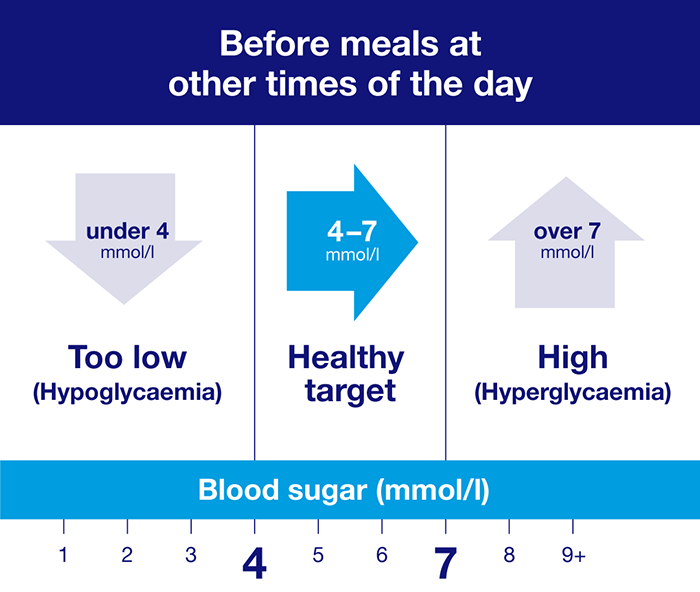
- Target range - maintaining blood glucose levels within a target range is essential.
- Healthy Eating - a balanced diet with appropriate carbohydrate intake, along with healthy fats and protein, is important.
- Physical Activity - regular exercise helps improve insulin sensitivity and manage blood sugar levels.
- Weight Management - maintaining a healthy weight is important for overall health and diabetes management.
DAFNE (Dose Adjustment for Normal Eating) is a course for people aged 17+ with type 1 diabetes.
What you’ll learn:
- How to match insulin to the food you eat
- How to manage diabetes in everyday life – holidays, exercise, special occasions, or when you’re unwell
- How to keep blood glucose within healthy targets and reduce long-term risks
- Helps you live as normal a life as possible
- Provides life-long skills and confidence to manage type 1 diabetes
How the course works
- Face-to-face - 5 days in a row or 1 day a week for 5 weeks, plus a follow-up
- Remote - online learning with virtual group sessions
- Small groups (6–8 people), led by trained NHS diabetes nurses and dietitians
To be referred to the DAFNE program, you must have Type 1 diabetes and contact your GP or diabetes team to discuss a referral to a local DAFNE centre. The team will then put you on the right pathway and complete the referral, which typically involves an initial appointment for assessment and preparation.
Diabetes UK offer a dedicated diabetes helpline for all people with diabetes, their family or friends, and people who are worried they might be at risk.
Call the confidential helpline to talk to their highly trained advisors who have counselling skills and an extensive knowledge of diabetes. They can provide information about the condition, take the time to talk things through and explore emotional, social, psychological or practical difficulties.
England, Wales and Northern Ireland
Call: 0345 123 2399, Monday to Friday, 9am to 6pm
Email: helpline@diabetes.org.uk
- Diabetes UK - T1D What to Expect
- Does Type 1 diabetes get in the way
- DAFNE - Helping to deliver better outcomes for people
- Ways to join DAFNE
- NHS - Managing Type 1 Diabetes Pump Failure
| NHS | Type 1 diabetes - NHS |
| DIGIBETE | Home - DigiBete |
| Diabetes UK | Type 1 diabetes | Diabetes UK |
| CDC | Type 1 Diabetes | Diabetes | CDC |
| British Heart Foundation | Diabetes - Causes, symptoms & treatments | BHF - BHF |
| SCHT | Diabetes care to adults |
| SaTH | Diabetes – SaTH |
| TREND Diabetes | People with diabetes – Trend Diabetes |
| DAFNE | Home - DAFNE |
| Breakthrough T1D | Breakthrough T1D UK | Type 1 Diabetes Research |
